Psyllium Husk Fiber: What It Does, and Who Actually Needs It
THE SHORT ANSWER
Psyllium husk is a soluble, gel-forming fiber derived from the seed husks of Plantago ovata. It is well documented to support stool consistency in both loose and hard stools, and some evidence supports a modest role in cholesterol management at doses of around 10–15 g per day. Most adults who eat reasonable amounts of vegetables, legumes, and whole grains are already meeting fiber targets and are unlikely to notice a meaningful difference from adding psyllium. If your diet is genuinely low in fiber, food is the cheaper and more nutritionally complete fix before a supplement enters the picture.*
01What psyllium husk actually is
Psyllium husk comes from the outer coating of Plantago ovata seeds, a plant grown primarily in India and Pakistan. The husk is ground to varying degrees of fineness and sold as a powder, in capsules, or blended into products marketed as laxatives, cholesterol-lowering agents, or general fiber supplements. It is the same ingredient in several well-known pharmacy-brand laxative powders, which cost considerably less per gram than most supplement-aisle presentations of the same thing.
The key property is its solubility. Unlike insoluble fiber, which adds bulk and speeds transit, psyllium dissolves partially in water to form a viscous gel. That gel is what drives most of the documented effects. It is not absorbed into the bloodstream; it works entirely in the gut lumen.
02The mechanism behind stool consistency
When psyllium gel forms in the large intestine, it retains water. In someone with hard, slow-moving stools, that retained water softens the stool and makes it easier to pass. In someone with loose stools, the gel matrix absorbs excess water and adds structure. This bidirectional effect on consistency is genuine and well documented in clinical research. It is not a framing trick; the same mechanism genuinely works in both directions because the fiber is modulating water distribution, not forcing motility one way.
The dose matters. At 3–5 g per serving, effects on consistency are modest. Most protocols that produced measurable results in research used doses of 10 g or more per day, taken with adequate water. Without sufficient fluid, psyllium can have the opposite effect from intended — the gel stiffens rather than softens, and in rare cases can cause esophageal obstruction if swallowed dry or with very little water. Always take it with a full glass of water.
03What the cholesterol evidence actually shows
The FDA permits a qualified health claim linking psyllium to reduced risk of heart disease, based on its effect on LDL cholesterol. The mechanism is reasonably understood: the gel binds bile acids in the intestine, those acids are excreted rather than reabsorbed, and the liver pulls circulating LDL cholesterol to synthesize replacement bile acids. The net result is a measurable reduction in LDL in people who already have elevated LDL.
What the evidence does not show is a large absolute effect in people with normal cholesterol. Reductions in studies average roughly 5–10% of LDL in populations with elevated baselines, which is meaningful but not equivalent to medication. The effect is also dose-dependent and accumulates over weeks, not days. If your LDL is already in a healthy range and you are looking to psyllium as a cardiovascular intervention, the evidence base does not support that expectation strongly. Anyone managing cholesterol with a clinical target should discuss any supplement alongside their prescribed approach.
04Who probably does not need a psyllium supplement
We sell fiber-related products, and the honest answer is that psyllium is not necessary for most people who are eating a broadly varied diet with vegetables, legumes, whole grains, and fruit. The recommended fiber intake is roughly 25–38 g per day for adults, and a single cup of cooked lentils provides about 15 g. Food fiber also comes packaged with micronutrients, resistant starch, and prebiotic substrates that a psyllium-only supplement does not replicate.
If your goal is simply to reach daily fiber targets, the least expensive path is food first. If food changes are impractical — due to food access, digestive tolerance of high-fiber foods, or specific clinical circumstances — then a supplement makes sense. To learn how fiber types differ and which gut functions each supports, the article on fiber supplements and which type does what covers that comparison in more detail.
05Where a cheaper option genuinely wins
Pharmacy-brand psyllium powder — the kind sold in large canisters as an osmotic laxative — contains the same active ingredient as premium supplement-label psyllium at a fraction of the cost per gram. The difference is typically packaging, flavoring, and the category it is shelved in. If your sole purpose is stool consistency or reaching fiber targets, the pharmacy version is the rational purchase. The supplement versions may offer capsule convenience or slightly cleaner ingredient lists, but the psyllium content and mechanism are identical.
It is worth checking the label on any product for added sweeteners, flavors, or thickeners, which vary by brand and matter if you have specific ingredient sensitivities. But cost per gram of psyllium husk is the primary variable, and the cheapest products often win here.
06Psyllium and the gut microbiome
Psyllium is sometimes marketed as a prebiotic. The relationship is real but partial. Some gut bacteria do ferment psyllium, producing short-chain fatty acids that support the intestinal lining. However, psyllium ferments more slowly and less completely than other prebiotic fibers such as inulin or fructooligosaccharides. It is not the strongest prebiotic option if that is your specific goal.
The gut microbiome research on psyllium specifically is still developing. What is established is that it is well tolerated by most people, does not cause the gas and bloating that rapidly fermented fibers sometimes produce, and may have indirect prebiotic effects. For a realistic view of what microbiome interventions actually accomplish, the article on the gut microbiome and what is established versus what is not is worth reading alongside any fiber decision. The distinction between adding a probiotic and feeding one is covered in the article on prebiotics versus probiotics.
07Interactions and safety considerations
Psyllium is generally considered safe at recommended doses, but there are a few practical points worth knowing. Because psyllium forms a gel in the digestive tract, it can slow the absorption of oral medications taken at the same time. The standard guidance is to take psyllium either two hours before or two hours after any oral medication. This applies to thyroid medication, blood sugar-related medications, and any drug where consistent absorption timing matters. If you are on a complex medication regimen, a pharmacist can advise on spacing.
People with difficulty swallowing, esophageal narrowing, or any condition causing delayed gastric emptying should use psyllium only after medical advice. A small number of people develop allergic reactions to psyllium dust, particularly with repeated occupational exposure; this is rare for casual supplement users but documented. If you notice any throat tightening or skin reaction, discontinue and see a clinician.
Anyone concerned about fiber intake in the context of a digestive condition — irritable bowel syndrome, diverticular disease, Crohn's disease — should approach psyllium with a clinician's input rather than relying on general guidance, as the response varies considerably between conditions and individuals.
08Dose, timing, and practical use
Most research on stool consistency used doses between 5 and 10 g per day, divided across one or two servings. The cholesterol-related studies typically used 10–15 g per day. Starting at a lower dose — 3–5 g — and increasing gradually over one to two weeks reduces the chance of bloating during adjustment. Tolerance builds as the gut adapts to increased fiber load.
Timing relative to meals is less important than timing relative to water intake. Take each dose with at least 240 ml (a full glass) of water. Some people find that taking psyllium before a meal blunts postprandial appetite, though that effect has not been studied as rigorously as the consistency and cholesterol data. Evening dosing before bed works for many people; the gel forms and does its work overnight.
09What psyllium does not do
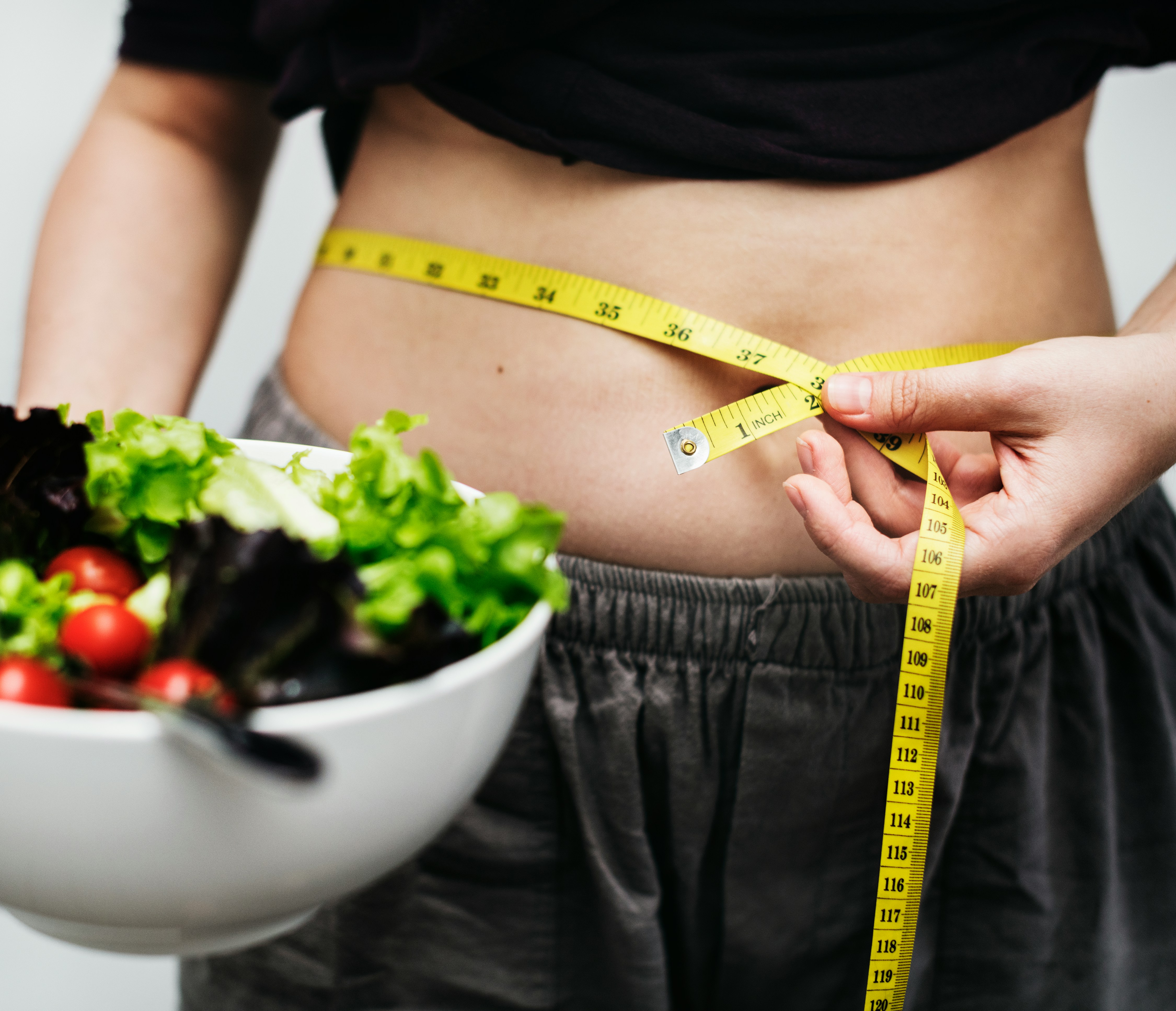
Psyllium does not meaningfully accelerate weight loss. Some studies show a modest reduction in appetite-related markers, but the effect sizes in controlled trials are small and not sufficient to recommend it as a weight management intervention independent of broader dietary changes. Marketing framing that emphasizes this angle is ahead of the evidence.
Psyllium does not substitute for a varied diet. Fiber is one component of whole plant foods; it arrives alongside polyphenols, resistant starch, and a range of vitamins and minerals that isolated fiber supplements do not provide. If you are reaching for psyllium to compensate for a diet that lacks vegetables and legumes, the supplement is a partial workaround rather than an equivalent. For context on how dietary vitamin C intake from whole foods compares to supplemental sources, the same principle applies — see vitamin C from food versus supplements.
10Frequently asked questions
how much psyllium husk should I take per day
Most research on stool consistency used 5–10 g per day; studies targeting LDL cholesterol typically used 10–15 g per day. Start at the lower end, increase gradually, and always take each dose with a full glass of water. Exceeding 20 g per day in a single sitting is unlikely to add benefit and increases the chance of gut discomfort.
can I take psyllium husk every day long term
Long-term daily use at moderate doses is considered safe for most adults, and many clinical studies have been conducted over several weeks to months without significant adverse findings. There is no well-documented evidence that daily psyllium causes dependency or worsens natural gut motility over time, which is a concern sometimes raised about stimulant laxatives but does not apply to bulk-forming fiber.
does psyllium husk help with bloating
The answer depends on the cause of the bloating. If bloating is related to irregular bowel habits or slow transit, psyllium often helps by normalizing stool consistency. If bloating is caused by gas production from fermentable carbohydrates, psyllium is less relevant and may not help. Psyllium itself ferments slowly and rarely causes significant gas compared to other fiber sources.
is psyllium husk the same as Metamucil
The active ingredient in most Metamucil formulations is psyllium husk, yes. The difference is in the added ingredients — flavoring, sweeteners, and coloring agents vary by product and flavor. The psyllium content and mechanism are the same. If you only want the fiber with no additives, unflavored psyllium husk powder is functionally equivalent and typically less expensive per gram.
can psyllium husk interfere with medications
Yes, because the gel it forms can slow oral drug absorption. The practical guidance is to space psyllium at least two hours away from any oral medication, particularly thyroid drugs, certain blood sugar medications, and any medication where consistent absorption matters. Confirm spacing with a pharmacist if you are on multiple prescriptions.
does psyllium husk lower blood sugar
Some evidence suggests psyllium can blunt the rise in blood glucose after a meal by slowing carbohydrate absorption, but this effect is modest and the research is not sufficiently settled to recommend psyllium as a primary approach to blood glucose management. Anyone managing blood glucose clinically should discuss any supplement with the clinician overseeing their care.
can psyllium husk cause constipation
Counterintuitively, yes, if taken without enough water. Psyllium requires fluid to form its gel; without it, the husk absorbs what little water is available in the intestine and can make stools harder and more difficult to pass. This is the most common cause of psyllium making constipation worse rather than better. The fix is straightforward: always take it with a full glass of water.
is psyllium husk safe during pregnancy
Psyllium is generally regarded as low-risk during pregnancy and is commonly used for pregnancy-related constipation. However, because medication absorption can be affected, and because individual circumstances during pregnancy vary, it is worth mentioning any supplement to whoever is managing your prenatal care before adding it regularly.
*These statements have not been evaluated by the Food and Drug Administration. This product is not intended to diagnose, treat, cure, or prevent any disease.
A persistent change in bowel habit deserves a doctor rather than a supplement. Supplementation during pregnancy should be discussed with whoever is managing your care.


